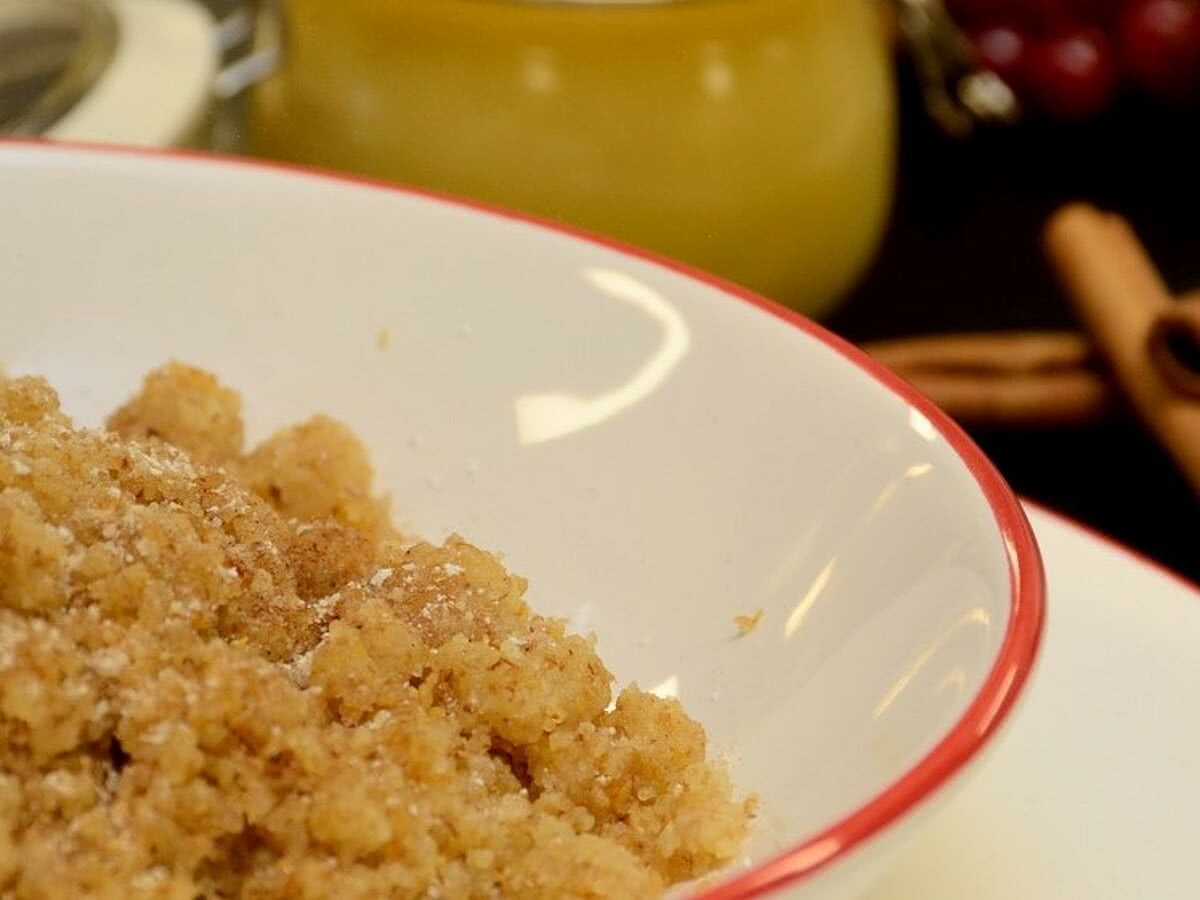
original Vorarlberger Riebel

The taste of Vorarlberg: a culinary journey of discovery

Current news, Culinarium, Tips

Anyone spending their Vorarlberg holiday in the Montafon cannot fail to come across Riebel – also known as Brösel. This simple maize dish is a popular meal in Vorarlberg. In this article, we’ll share some useful tips and the best recipe for making it.

The history behind Vorarlberg’s Riebel

Vorarlberg Riebel maize was once the first sweetcorn grown north of the Alps and shaped the culture of this border region. The maize variety originally came from Switzerland but quickly found its way into the Rhine Valley and the Bregenzerwald. Known as ‘Türken’ or ‘Türkensterz’, this semolina porridge was the staple breakfast for poor people for centuries. Nowadays, food lovers in Austria appreciate the quality of this old maize variety. Anyone who wants to understand the region’s cuisine must have tried genuine Vorarlberg Riebel maize.

The classic recipe for Vorarlberg Riebel

You only need a few ingredients for the traditional preparation. This recipe serves two and meets the highest standards. For many Vorarlberg families, this recipe is a taste of the past.

The ingredients at a glance:

  • 300 g original Riebel semolina (fine maize semolina)
  • 500 ml milk
  • a pinch of salt
  • 40 g fresh butter
  • 60 g clarified butter for frying
  • sugar and cinnamon for sprinkling


Preparation in a frying pan

First, bring the milk, butter and a pinch of salt to the boil in a saucepan. Slowly sprinkle in the semolina and stir until a thick mixture and a thick porridge form. You must continue stirring until the semolina mixture comes away from the bottom of the pan. Then, using a wooden spoon, let the semolina mixture steam off whilst stirring and poking it constantly, so that the mixture forms light lumps. Add a little butter and continue to toast it until the lumps break down into the typical ‘crumbs’ and turn a golden-brown colour.

How to serve Riebel properly

Riebel tastes best when served warm, straight from the pan. The absolute classics to serve with it are freshly made apple sauce or a fine pinch of cinnamon and sugar. Alternatively, stewed plums or other fruit compotes go down a treat.
If you prefer a savoury option, simply fry the Riebel with a strong cheese – this savoury version is a real favourite, particularly in the Rhine Valley and the Alpine regions. For an extra creamy touch, some people stir in a little whipped cream at the end.

Riebel that cracks

Modern Riebel creations for connoisseurs

The innovative Riebel crisps from Dietrich prove that traditional Vorarlberg Riebel maize can still be given a modern twist today. This crispy speciality is made from authentic Riebel maize and perfectly captures the region’s authentic flavour. Whether with afternoon coffee or as a delicious evening snack – a treat that really evokes a sense of home.

Culinary tradition at the Hotel Fernblick

Vorarlberg’s fine cuisine has always been characterised by honest, down-to-earth produce. Simple dishes, often deeply rooted in childhood memories, are now receiving the recognition they deserve.
To make it particularly easy for you to get a taste of this delight, a packet of these crispy crisps will be waiting in your room upon your arrival at the Hotel Fernblick. This way, you can sample the famous Vorarlberg Riebelmais straight away when you arrive.

Frequently Asked Questions (FAQ) about Vorarlberg Riebel

What is the difference between Riebel and polenta?
Although both dishes are made from maize, Vorarlberg Riebel differs significantly from traditional polenta. Whilst polenta is usually served as a creamy porridge, Riebel stands out for its typically crumbly texture, which is created by slowly frying it in a pan until crispy.

Can you fry Riebel again the next day?
Yes, and it’s absolutely delicious! The cooled Riebel can simply be fried again in a pan with a little butter the following day. The typical, constant ‘Riebeln’ (pricking and turning) ensures that the crumbs become wonderfully crispy once more. This version tastes particularly delicious with a cup of coffee for breakfast.
 

Here you can see our chef Florian preparing the Riebel: Youtube

Florian Ganahl

Head Chef

‘Cooking is my way of telling stories – using ingredients from our homeland.’ Florian Ganahl is the creative mind behind the cuisine at Fernblick. He combines regional products with modern culinary art and surprises guests with sophisticated menus that capture the taste of the mountains.
In his blog, he provides insights into seasonal recipes, culinary trends and his personal passion for good food.